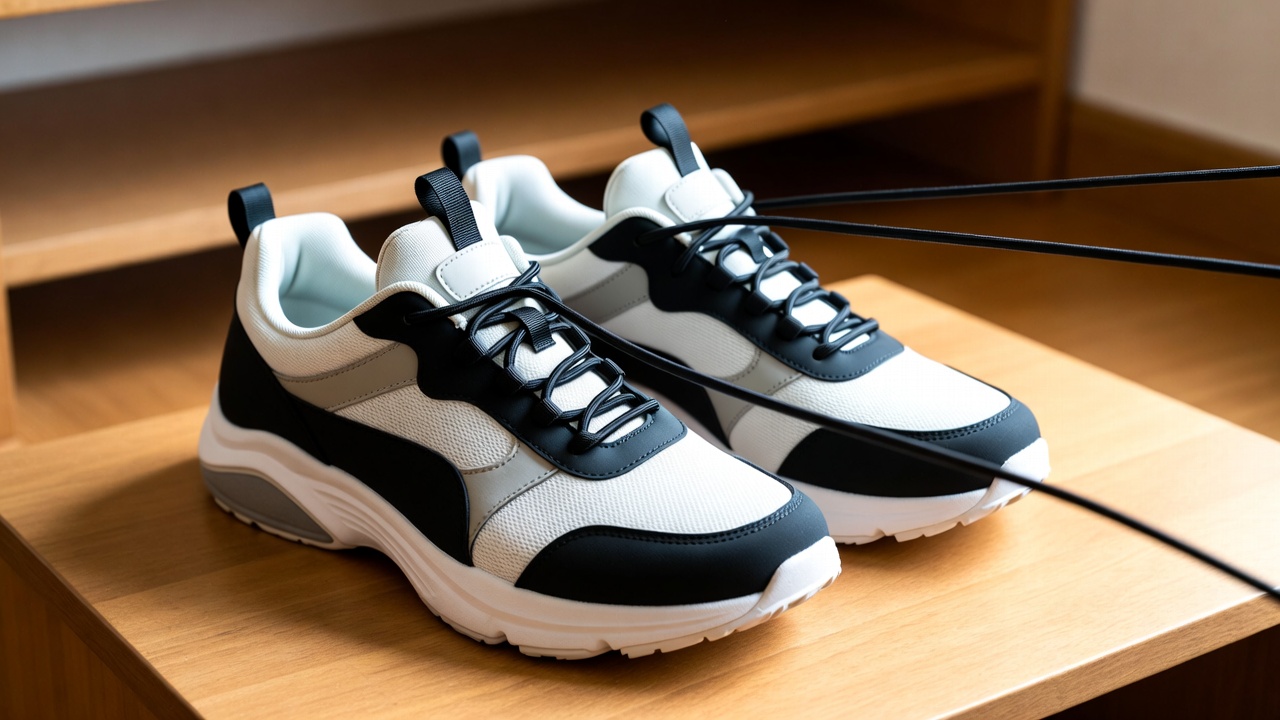
Tying shoelaces becomes increasingly difficult for individuals living with arthritis, limited hand mobility, or reduced finger dexterity. What seems like a simple daily task can turn into a painful, frustrating challenge that impacts independence and mobility. Many seniors avoid wearing their most supportive shoes simply because they cannot manage traditional laces, leading to increased fall risk and reduced physical activity.
The best elastic no-tie shoe laces are adaptive footwear accessories that convert any lace-up shoe into a slip-on style. These specialized laces stretch to allow the foot to slide in and out while maintaining proper shoe fit and support throughout wear. For individuals with arthritis, stroke recovery, Parkinson’s disease, or other conditions affecting hand function, no-tie laces eliminate the need for fine motor skills while preserving the benefits of properly fitted athletic shoes and walking footwear.
The best elastic no-tie shoe laces for arthritis combine durability, appropriate stretch tension, and secure fastening systems that won’t loosen during normal activity. These products allow seniors to maintain their preferred footwear without sacrificing independence or requiring assistance from caregivers. They also reduce morning routine time and eliminate the safety hazard of untied laces that can cause tripping.
This guide examines top-rated elastic no-tie shoe laces available on Amazon, focusing on options specifically beneficial for arthritis sufferers and individuals with limited hand mobility. Each recommendation includes details on installation ease, stretch characteristics, durability, and who benefits most from specific design features.
We also recommend checking out our guide on the Best All-Terrain Walkers for Outside Use.
Table of Contents
Affiliate Disclosure: As an Amazon Associate, we may earn a commission from qualifying purchases at no additional cost to you.
Top Elastic No-Tie Shoe Laces for Arthritis
1. LOCK LACES Elastic No-Tie Shoelaces

Lock Laces are elastic shoe laces featuring a spring-loaded locking mechanism that replaces traditional bows and knots. These laces install permanently into any lace-up shoe, converting them into slip-on footwear while maintaining adjustable tension. The system uses a cylindrical lock that allows users to tighten or loosen the laces with a simple pull and release motion; no finger dexterity or hand strength required.
This product is particularly effective for seniors with moderate to severe arthritis who struggle with pinching, gripping, or tying motions. The elastic material provides consistent tension across the top of the foot, accommodating swelling throughout the day without creating pressure points. The locking mechanism holds firmly during walking, running, or other activities, preventing the laces from loosening unexpectedly.
Installation requires threading the elastic laces through existing shoe eyelets and securing the lock, a one-time process that takes approximately five minutes per shoe. Once installed, the laces never need to be tied again. Seniors can adjust tension as needed by pulling the lock upward to tighten or pushing it downward to loosen, which is significantly easier than manipulating traditional laces.
Lock Laces work well in athletic shoes, walking shoes, casual sneakers, and even some dress shoes with standard eyelet configurations. The elastic construction maintains its stretch properties over extended use, and the locking mechanism remains functional through hundreds of insertions and removals. For individuals who wear the same shoes daily and need a reliable, long-term solution, this product provides excellent value and consistent performance.
The laces come in multiple colors, allowing seniors to match or coordinate with their footwear. This aesthetic consideration matters for individuals who want adaptive equipment that doesn’t look obviously medical or assistive. The discrete design maintains a traditional shoe appearance while providing significant functional benefits.
2. Xpand No-Tie Shoelaces System

The Xpand No-Tie Shoelaces feature a flat elastic design with an adjustable tension system that allows users to customize tightness without tying knots. These laces use a toggle mechanism similar to those found on jacket drawstrings, making them intuitive for seniors who may be unfamiliar with more complex locking systems. The flat elastic construction distributes pressure more evenly across the top of the foot compared to round laces, which reduces the likelihood of creating pressure lines or discomfort.
This product works exceptionally well for individuals with arthritis who can still perform simple pulling motions but cannot manage the fine motor skills required for tying. The toggle adjustment requires only a basic pinch-and-pull action, which many seniors retain even when traditional lacing becomes impossible. The flat lace design also slides more smoothly through eyelets during installation, making the initial setup easier for caregivers or family members assisting with installation.
The Xpand system includes reflective threading woven into the elastic material, which adds a safety element for seniors who walk outdoors during low-light conditions. This visibility feature benefits individuals who walk for exercise or who need to be seen by drivers when crossing streets or walking in parking areas. The reflective quality doesn’t diminish with washing and remains functional throughout the product’s lifespan.
These laces accommodate a wide range of foot volumes and work particularly well in athletic shoes and casual sneakers. The elastic tension is moderate, not as firm as some locking systems, but sufficient for walking, light jogging, and everyday activities. For seniors who don’t engage in high-impact activities but need reliable slip-on convenience, the Xpand system provides an accessible middle ground between maximum security and ease of use.
The toggle mechanism is large enough to be visible and easy to grasp, which benefits individuals with vision impairments or reduced hand sensation. The simple operation reduces cognitive load and makes the laces appropriate for seniors with mild memory concerns who might struggle with more complex adjustment systems.
3. Hickies Elastic Lacing System

Hickies are individual elastic ties that replace traditional laces entirely, creating a completely customizable fit system. Each Hickies unit is a small elastic loop that connects two eyelets, and users install multiple units across the shoe to create the desired level of tension and support. This modular approach allows seniors to use as many or as few units as needed, adjusting not only tension but also the overall structure of how the shoe fits.
This product is particularly innovative for individuals with arthritis who have very specific fit needs or who experience significant day-to-day variation in foot swelling. The ability to add or remove individual HICKIES units means the shoe can be reconfigured without purchasing new laces or starting over with installation. Seniors can experiment with different configurations to find the pattern that provides optimal comfort and support.
Installation is straightforward; each Hickies unit simply loops through two adjacent eyelets and stays in place through elastic tension. There are no locks, toggles, or mechanisms to adjust, which eliminates potential failure points and simplifies the user experience. The silicone construction is waterproof and doesn’t absorb moisture, making these laces particularly suitable for individuals who need to wear shoes in wet conditions or who have difficulty drying footwear.
Hickies work well in a variety of shoe types, from athletic sneakers to casual canvas shoes. The modular design means users can create different fit patterns for different activities, tighter for walking, looser for around-the-house wear, without needing multiple pairs of shoes. This versatility is especially valuable for seniors on fixed incomes who need maximum functionality from limited footwear options.
The elastic material maintains its tension over extended periods and doesn’t stretch out like some continuous lace systems. Individual units can be replaced if they wear out, rather than needing to replace the entire lacing system. For seniors who value longevity and the ability to repair rather than replace, Hickies offer practical economic advantages.
4. Caterpy No-Tie Shoelaces

Caterpy laces feature a unique bumpy texture along the elastic cord that locks into the shoe eyelets without requiring any additional mechanism. The raised bumps grip the eyelets as the laces are pulled through, creating adjustable tension that holds firmly during wear while allowing repositioning when needed. This design eliminates toggles, locks, and other small components that can be difficult for arthritic hands to manipulate.
This product is especially beneficial for seniors who want the simplicity of one-piece elastic laces but need more security than basic continuous laces provide. The bump-locking system prevents the gradual loosening that can occur with smooth elastic laces, maintaining a consistent fit throughout the day. The mechanism is entirely passive; it requires no user input, which makes it appropriate for individuals with cognitive impairments or memory concerns.
Installation involves threading the laces through the eyelets, as with traditional laces, then adjusting the tension by pulling the laces to the desired tightness. The bumps lock into place automatically, and excess lace can be tucked into the shoe or trimmed to length. The process requires no special tools and can be completed by most seniors without assistance, though caregivers can easily help if needed.
Caterpy laces are available in multiple lengths to accommodate different shoe styles, from low-top sneakers to high-top boots. The elastic material is robust and maintains its stretch properties through regular use and washing. For individuals who frequently launder shoes or need laces that withstand harsh conditions, the durable construction delivers reliable long-term performance.
The laces come in a wide range of colors, allowing for both matching and contrasting aesthetic choices. Some seniors prefer laces that blend with their shoes, while others appreciate bright colors that make the laces easier to see during installation or adjustment. This variety supports both functional and personal preference needs.
5. U-Lace No-Tie Sneaker Laces

U-Lace offers a cross-lacing elastic system that creates a traditional laced appearance while providing slip-on convenience. Each U-shaped elastic piece connects two eyelets across the shoe, creating the diagonal pattern familiar from standard lacing. This design preserves the visual aesthetic of traditionally laced shoes while eliminating the need to tie them, which is important for seniors who want adaptive equipment that doesn’t look obviously assistive.
This product works particularly well for individuals with arthritis who are concerned about appearance or who want their adaptive footwear to blend into professional or social settings. The cross-lacing pattern distributes pressure as traditional laces do, providing familiar comfort and support. The elastic nature allows for foot insertion and removal without loosening, while the crossed configuration prevents the shoe from gaping open as can sometimes occur with parallel elastic systems.
Installation requires inserting each U-shaped piece through the appropriate eyelets to create the desired lacing pattern. The process is more involved than single-strand laces but yields a more traditional appearance and potentially a better fit distribution. Once installed, the laces function as permanent slip-on converters that require no daily adjustment.
U-Lace products are available in both silicone and elastic materials, with the silicone version offering slightly more durability and the elastic version providing softer comfort against the top of the foot. Seniors with sensitive skin or who experience pressure discomfort may prefer the elastic option, while those prioritizing longevity might choose silicone.
The system works with any shoe that has standard eyelets and accommodates various lacing patterns, from straight-across to complex athletic configurations. This flexibility allows seniors to replicate their preferred traditional lacing style while enjoying the convenience of a no-tie. For individuals transitioning from traditional laces to adaptive options, U-Lace provides a familiar look that eases psychological adjustment.
How to Choose the Best Elastic No-Tie Shoe Laces
Selecting the best elastic no-tie shoe laces for arthritis requires understanding the individual’s specific hand mobility challenges, footwear needs, and activity level. Different lace systems provide varying levels of support, ease of use, and customization, and matching these characteristics to the user’s situation ensures successful adoption and long-term satisfaction.
Hand Mobility and Dexterity Level
Seniors with severe arthritis or minimal hand function benefit most from laces that require no adjustment mechanism whatsoever. Systems like Hickies or Caterpy bumpy laces eliminate toggles, locks, and other components that require manipulation. For individuals who retain some pinching ability but cannot tie knots, simple toggle systems like those used in Xpand provide accessible adjustment without complex mechanisms.
Those with one-sided weakness from stroke need laces that can be operated entirely with their functional hand. Single-action mechanisms or laces that require no ongoing adjustment work best in these situations. Conversely, seniors with mild arthritis who want maximum customization may appreciate systems that allow for individual tension control across different foot zones.
Foot Swelling and Volume Changes
Individuals who experience significant foot swelling throughout the day need the best elastic no-tie shoe laces with sufficient stretch to accommodate volume changes without creating pressure or requiring readjustment. Flat elastic designs generally distribute pressure better and reduce the risk of creating painful indentations as feet swell. Systems with individual elastic segments or modular components allow for targeted looseness in areas prone to swelling while maintaining support in stable zones.
Seniors with consistent foot size benefit from laces with firmer tension that provide structured support. The diagonal weave construction or locking mechanisms that maintain specific tension levels work well when swelling is not a primary concern. Understanding whether foot volume changes significantly helps determine the appropriate level of elasticity and adjustment capability needed.
Shoe Type and Style
Athletic shoes with standard eyelet configurations work with virtually all of the best elastic no-tie shoe laces. High-top shoes or boots with numerous eyelets benefit from segmented systems that prevent uneven tension distribution. Casual canvas shoes accommodate most elastic options, though very loose-weave canvas may allow some lace systems to pull through eyelets over time.
Dress shoes with small or decorative eyelets require careful lace selection, as wide flat laces may not thread properly, and bulky mechanisms may not fit comfortably under the shoe tongue. For formal footwear, slim elastic laces with discrete locking mechanisms maintain an appropriate appearance while providing no-tie convenience.
Activity Level and Support Needs
Sedentary seniors who primarily wear shoes for short periods around the home can use any elastic lace system, as support demands are minimal. Active individuals who walk regularly for exercise need the best elastic no-tie shoe laces that maintain tension during movement and don’t allow shoes to shift. Systems with locking mechanisms, diagonal construction, or bump-locking features provide more reliable support during physical activity.
Individuals using mobility aids like walkers or canes need laces that absolutely will not loosen, as stopping to adjust footwear while using assistive devices creates fall risk. In these cases, maximum-security systems with reliable locking mechanisms are essential safety features, not just convenience items.
Installation Assistance and Independence
Some of the best elastic no-tie shoe laces can be installed by the senior independently, while others benefit from caregiver or family assistance during initial setup. One-time installation products that permanently convert shoes to slip-ons work well when initial help is available, but daily independence is desired. Systems requiring frequent adjustment or reinstallation may create ongoing dependence unless the senior can manage the process independently.
For individuals living alone or who strongly value self-sufficiency, choosing the best elastic no-tie shoe laces that they can install and adjust independently, even if the process is slower, supports psychological well-being and reduces feelings of helplessness. When assistance is readily available and accepted, more complex systems with superior performance characteristics become viable options.
Common Mistakes When Choosing No-Tie Laces
Many purchasers select elastic laces based solely on price or reviews without considering the specific arthritis severity and hand mobility of the intended user. A product that works well for someone with mild stiffness may be completely unusable for an individual with severe joint deformities or significant pain. Assessing actual hand function, including what gripping, pulling, and pinching motions are possible, leads to better product matching.
Another common error is choosing laces that are too stretchy or too firm for the intended use. Extremely soft elastic laces provide easy foot insertion but may not maintain proper shoe fit during walking, potentially creating fall hazards. Conversely, very firm laces with minimal stretch may require more force to use than arthritic hands can comfortably provide. Understanding the balance between ease of use and functional support prevents disappointment and ensures safety.
Some individuals purchase the best elastic no-tie shoe laces expecting them to improve shoe fit problems that stem from incorrect shoe size rather than lacing difficulties. Elastic laces accommodate minor foot volume changes and eliminate tying, but they cannot compensate for shoes that are fundamentally too large, too small, or poorly suited to the foot shape. Proper shoe fitting should precede lace replacement for best results.
Finally, overlooking the installation process can create frustration. Some of the best elastic no-tie shoe laces require threading through every eyelet, cutting to length, and securing multiple components, tasks that may be difficult for arthritic hands, even though daily use afterward is simple. Understanding whether the initial installation requires assistance prevents unrealistic expectations and ensures someone capable is available to complete the setup properly.
Final Thoughts
The best elastic no-tie shoe laces provide meaningful independence for individuals with arthritis and limited hand mobility. These adaptive products eliminate the daily frustration and physical pain associated with tying traditional laces while maintaining proper footwear fit and support. The best elastic no-tie shoe laces for arthritis combine appropriate stretch characteristics with secure fastening systems and installation processes that match the user’s capabilities.
For caregivers and family members, selecting the best elastic no-tie shoe laces means considering hand function, foot swelling patterns, activity level, and footwear style. Simple systems without adjustment mechanisms serve individuals with severe limitations, while customizable options benefit those with specific fit needs and adequate dexterity. Understanding these distinctions ensures the product genuinely improves daily life rather than creating new challenges.
Investing in the best elastic no-tie shoe laces converts standard lace-up shoes into accessible slip-on footwear, preserving the support and stability that properly fitted athletic shoes and walking shoes provide. This adaptation allows seniors to maintain active lifestyles, participate in recommended exercise programs, and retain independence in personal care routines. For many individuals with arthritis, no-tie laces represent a simple solution that significantly improves quality of life and reduces unnecessary dependence on others for basic dressing tasks.
Was this article helpful? Read one of these next:


Leave a Reply